
Blog
ELISA vs Western Blot: Which Technique Should You Choose?
Written by Seán Mac Fhearraigh, PhD • Updated: 19 May 2026 • ~9 min read
Quick Answer
ELISA and Western Blot are both antibody-based protein detection methods. ELISA is faster, higher throughput and gives you a precise quantitative number from complex samples. Western Blot separates proteins by size first, so it tells you whether your antibody is binding the right molecular weight band — making it the gold standard for protein identity confirmation. Use ELISA to measure how much; use Western Blot to confirm what.
On this page
ELISA vs Western Blot at a glance
What is ELISA?
What is Western Blot?
Key differences in detail
Sensitivity & quantitation
Throug
…
20th May 2026
Types of ELISA: Direct, Indirect, Sandwich & Competitive Compared
Written by Seán Mac Fhearraigh, PhD • Updated: 19 May 2026 • ~9 min read
Quick Answer
The five main types of ELISA are sandwich, competitive, direct, indirect and multiplex. Sandwich ELISA is the most common — used for proteins and cytokines. Competitive ELISA suits small molecules like hormones. Indirect ELISA is the standard for antibody screening. Direct ELISA is the simplest format. Multiplex measures many analytes per well.
On this page
All ELISA types at a glance
Sandwich ELISA
Competitive ELISA
Direct ELISA
Indirect ELISA
Multiplex ELISA
Other formats (ELISpot, FluoroSpot, CLIA, cell-based)
How to choose the right format
Kit formats: pre-coated vs DIY
…
20th May 2026
Sandwich ELISA: Step-by-Step Protocol & Troubleshooting
Written by Seán Mac Fhearraigh, PhD •
Updated: 19 May 2026 •
~10 min read
Quick Answer
A sandwich ELISA uses two antibodies — a capture antibody immobilised on a 96-well plate and an enzyme-linked detection antibody — to bind two different epitopes on the same target protein. Signal is directly proportional to analyte concentration. A typical sandwich ELISA takes 3–4 hours and detects analyte at pg/mL to ng/mL levels.
On this page
What is a sandwich ELISA?
When to use a sandwich ELISA
The principle in detail
Pre-coated sandwich ELISA protocol
DIY sandwich ELI
…
20th May 2026
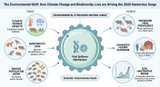
The Environmental Shift: How Climate Change and Biodiversity Loss are Driving the 2026 Hantavirus Surge
The year 2026 has brought an unsettling spotlight onto an old adversary: Hantavirus. What began as isolated cases has rapidly escalated into a multi-country surge, leaving scientists and public health officials scrambling for answers. This isn't merely a resurgence; it's a stark warning, revealing how our planet's changing climate and dwindling biodiversity are directly fueling new patterns of disease emergence.
Introduction
Hantaviruses, a family of RNA viruses primarily transmitted to humans through contact with infected rodent excreta, have long posed a public health threat. However, the current global surge in Hantavirus infections is unprecedented, prompting urgent investigations into
…
12th May 2026
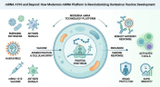
mRNA-1010 and Beyond: How Moderna's mRNA Platform is Revolutionizing Hantavirus Vaccine Development
Hantavirus, a silent threat lurking in rodent populations, has long posed a significant public health challenge with its severe and often fatal outcomes. For decades, the quest for effective vaccines has been a scientific priority. Now, a new era of vaccine development is dawning, spearheaded by revolutionary mRNA technology, promising unprecedented speed and efficacy in our fight against this elusive pathogen.
Introduction
Orthohantaviruses, commonly known as hantaviruses, are a group of zoonotic viruses responsible for two severe human diseases: Hemorrhagic Fever with Renal Syndrome (HFRS) in Eurasia and Hantavirus Pulmonary Syndrome (HPS) in the Americas. These illnesses carry high fata
…
12th May 2026

Prevention and Risk Mitigation: Strategies to Reduce Hantavirus Exposure in a Changing World
As hantavirus cases continue to rise globally, the question becomes not just how to detect infections, but how to prevent them in the first place. Recent epidemiological investigations across California, Qingdao, and the China-Russia border reveal that hantavirus prevention is achievable through a combination of environmental management, public awareness, and targeted surveillance. This comprehensive approach—integrating rodent control, habitat modification, and early detection—offers hope in mitigating the burden of this deadly virus in our changing world.
Introduction
Hantavirus infections have plagued human populations for decades, yet remarkably, the majority of cases are preventable.
…
12th May 2026
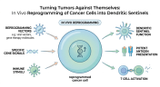
Turning Tumors Against Themselves: In Vivo Reprogramming of Cancer Cells into Dendritic Sentinels
Imagine a future where cancer cells, once masters of disguise, are forced to reveal themselves and even train the body's immune system to fight back. This isn't science fiction; it's the groundbreaking reality emerging from the latest advancements in cancer immunotherapy. Researchers are now exploring a revolutionary strategy: turning tumors against themselves by reprogramming their very cells into powerful immune sentinels.
Introduction
For decades, the fight against cancer has been a relentless pursuit, marked by both triumphs and formidable challenges. While traditional treatments like chemotherapy and radiation have saved countless lives, they often come with significant side effects an
…
3rd Apr 2026
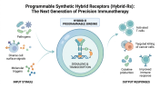
Programmable Synthetic Hybrid Receptors (Hybrid-Rs): The Next Generation of Precision Immunotherapy
Imagine a world where cancer treatment is no longer a blunt instrument but a precision-guided surgical strike, executed by the body's own immune system. For years, we have dreamed of 'smart' cells that can navigate the complex terrain of a tumor, distinguish friend from foe with absolute certainty, and adapt their behavior in real-time. Today, that dream is rapidly becoming a reality through the emergence of Programmable Synthetic Hybrid Receptors, or Hybrid-Rs, which are redefining the very boundaries of immunotherapy.
Introduction
The landscape of modern oncology has been fundamentally altered by the advent of Chimeric Antigen Receptor (CAR) T-cell therapy. By genetically engineering a pa
…
31st Mar 2026
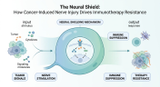
The Neural Shield: How Cancer-Induced Nerve Injury Drives Immunotherapy Resistance
For years, our understanding of cancer focused primarily on the tumor cells themselves and the immune system's response. However, a groundbreaking wave of research is revealing a startling truth: nerves, long considered mere conduits for pain or sensation, are actively co-opted by cancer to build a formidable 'neural shield,' driving resistance to even our most advanced immunotherapies. This paradigm shift is reshaping how we view the battle against cancer.
Introduction
Immunotherapy has revolutionized cancer treatment, offering unprecedented hope for many patients by harnessing the body's own immune system to fight malignant cells. Yet, a significant challenge remains: a substantial portio
…
29th Mar 2026
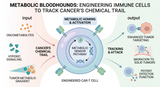
Metabolic Bloodhounds: Engineering Immune Cells to Track Cancer's Chemical Trail
Imagine a specialized squad of immune cells, meticulously trained and equipped, not just to fight cancer, but to sniff it out by its unique metabolic scent. This isn't science fiction; it's the groundbreaking reality emerging from cutting-edge immunology research. Scientists are now engineering these 'metabolic bloodhounds' to track down and eliminate tumors, offering a revolutionary new strategy in the relentless battle against cancer.
Introduction
For decades, the fight against cancer has been a complex dance between aggressive treatments and the elusive nature of tumor cells. While immunotherapies like CAR-T cell therapy have revolutionized the treatment of hematological malignancies, so
…
27th Mar 2026
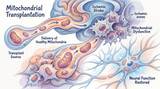
Mitochondrial Transplantation: A New Frontier in Restoring Neural Function After Ischemic Stroke
Imagine a future where the devastating impact of a stroke could be significantly mitigated, not just by managing symptoms, but by directly repairing the cellular machinery damaged during the event. This isn't science fiction; it's the rapidly evolving reality of mitochondrial transplantation, a groundbreaking approach poised to redefine how we restore neural function after ischemic stroke.
Introduction
Ischemic stroke, caused by a blockage in blood flow to the brain, deprives neurons of vital oxygen and nutrients, leading to rapid cellular damage and death. The aftermath can leave individuals with profound and lasting neurological deficits. For decades, treatments have focused on restoring
…
27th Mar 2026
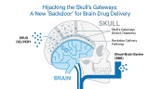
Hijacking the Skull's Gateways: A New 'Backdoor' for Brain Drug Delivery
For decades, the brain has been considered an immune sanctuary, protected by the formidable blood-brain barrier. This intricate defense system, while vital for safeguarding our most complex organ, has simultaneously posed an immense challenge for delivering therapeutic drugs to treat neurological diseases. But what if there was a hidden "backdoor," a previously overlooked pathway offering a direct route into the brain? Recent groundbreaking research suggests such a gateway exists, nestled within the very bones of our skull.
Introduction
The concept of the brain as an "immune-privileged" site has long dominated neuroscience, largely due to the blood-brain barrier (BBB) – a highly selective s
…
27th Mar 2026
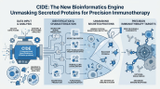
CIDE: The New Bioinformatics Engine Unmasking Secreted Proteins for Precision Immunotherapy
For decades, the battle against cancer has focused on the cellular 'soldiers' and the genetic 'blueprints' within them. Yet, a vast, invisible world of communication exists between these cells—a secret language of proteins released into the extracellular space. These secreted molecules often hold the key to why some patients respond to immunotherapy while others do not, but until now, mapping this complex 'secretome' has been an insurmountable challenge for modern oncology.
Introduction
The landscape of cancer treatment was forever changed by the advent of immunotherapy, yet the 'holy grail' of precision medicine remains elusive: the ability to predict with certainty which patient will bene
…
27th Mar 2026
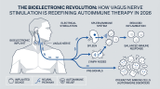
The Bioelectronic Revolution: How Vagus Nerve Stimulation is Redefining Autoimmune Therapy in 2026
Imagine a future where chronic autoimmune diseases, once managed by powerful pharmaceuticals with challenging side effects, are instead calmed by a gentle electrical pulse. This isn't science fiction; it's the burgeoning reality of bioelectronic medicine, a revolutionary field poised to redefine how we approach conditions like rheumatoid arthritis and lupus. In 2026, the vagus nerve, a crucial highway between brain and body, is emerging as the unexpected hero in this therapeutic revolution.
Introduction
For decades, autoimmune diseases have presented a formidable challenge to medical science. Conditions where the body's immune system mistakenly attacks its own tissues, such as rheumatoid ar
…
25th Mar 2026
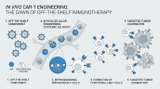
In Vivo CAR-T Engineering: The Dawn of Off-the-Shelf Immunotherapy
Imagine a future where cancer treatment isn't a grueling, months-long process involving cell extraction and reinfusion, but a simple, targeted injection that reprograms your body's own immune cells to fight disease from within. This isn't science fiction; it's the rapidly emerging reality of in vivo CAR-T engineering, a revolutionary approach poised to transform immunotherapy and bring 'off-the-shelf' treatments closer than ever before.
Introduction
Chimeric Antigen Receptor (CAR) T-cell therapy has already revolutionized the treatment landscape for certain blood cancers, offering a powerful new weapon against previously intractable diseases. However, the traditional 'ex vivo' manufacturing
…
25th Mar 2026
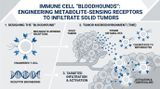
Immune Cell 'Bloodhounds': Engineering Metabolite-Sensing Receptors to Infiltrate Solid Tumors
Imagine an elite squad of soldiers sent to neutralize a hidden fortress, only to find themselves wandering aimlessly in a thick, disorienting fog just outside the gates. This is the current reality for many immunotherapy treatments: powerful immune cells are engineered to kill cancer, yet they often fail to even find the tumor. However, a revolutionary new approach is turning these 'lost' cells into biological bloodhounds, capable of sniffing out a tumor's unique chemical scent to lead a precision strike.
Introduction
For decades, the 'holy grail' of oncology has been the development of therapies that can distinguish between healthy tissue and malignant growths with absolute precision. Whil
…
25th Mar 2026
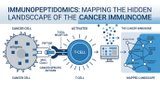
Immunopeptidomics: Mapping the Hidden Landscape of the Cancer Immunome
Imagine a high-stakes game of hide-and-seek where the seeker is your immune system and the hider is a master of disguise: cancer. For decades, we believed the 'wanted' posters for tumor cells were limited to a few well-known mutations. However, a revolutionary field called immunopeptidomics is revealing that the surface of a cancer cell is actually covered in thousands of hidden messages, waiting to be decoded by the next generation of precision medicine.
Introduction
The human immune system relies on a sophisticated surveillance mechanism to distinguish 'self' from 'non-self.' At the heart of this process are Major Histocompatibility Complex (MHC) molecules, which act as cellular display c
…
24th Mar 2026
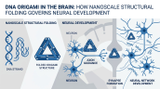
DNA Origami in the Brain: How Nanoscale Structural Folding Governs Neural Development
Imagine a world where we can fold the very fabric of life into microscopic machines, guiding the growth of a single neuron with the precision of a master architect. This isn't science fiction; it is the reality of DNA origami. By leveraging the natural base-pairing rules of genetic material, researchers are now building nanoscale scaffolds that don't just sit in the brain—they actively shape its development, offering a radical new blueprint for neuroregeneration and precision medicine.
Introduction
The human brain is perhaps the most complex structure in the known universe, a dense thicket of billions of neurons connected by trillions of synapses. For decades, our understanding of how this
…
24th Mar 2026

IgG1 Plasma Cells: The Emerging Biomarker for Predicting Cancer Immunotherapy Success
In the relentless fight against cancer, immunotherapy has emerged as a beacon of hope, harnessing the body's own defenses to combat malignant cells. Yet, predicting which patients will respond to these groundbreaking treatments remains a critical challenge. Recent scientific breakthroughs are now pointing towards an unexpected ally in this quest: IgG1 plasma cells, revealing their potential as a powerful new biomarker to forecast the success of cancer immunotherapy.
Introduction
Immunotherapy, particularly immune checkpoint blockade (ICB), has revolutionized cancer treatment, offering durable responses for many patients. However, a significant portion of individuals do not benefit, undersco
…
24th Feb 2026
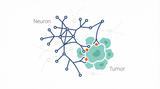
The Rise of Cancer Neuroscience: How Neural Circuits Drive Tumor Progression
For decades, we viewed cancer as a rogue army of cells, a biological glitch driven solely by genetic mutations and metabolic greed. We imagined tumors as isolated fortresses, growing in a vacuum of their own making. But a radical shift is underway. Scientists have discovered that tumors are not just passive lumps of tissue; they are active participants in the body’s most complex communication network: the nervous system. This is the dawn of cancer neuroscience.
Introduction
The field of oncology is currently undergoing a profound transformation as we move beyond a purely cell-centric view of malignancy. Historically, the nervous system was thought to be a bystander in the oncogenic process,
…
23rd Feb 2026

CRISPR-Powered Light Sensors: A New Frontier in Ultra-Sensitive Cancer Detection
Cancer detection often relies on advanced imaging or invasive procedures, frequently catching the disease at later, more challenging stages. Imagine a future where a simple, non-invasive test could spot the earliest whispers of cancer, long before symptoms appear. This future is rapidly approaching, thanks to groundbreaking advancements in CRISPR technology, which is now being harnessed to create incredibly sensitive light-powered biosensors capable of detecting cancer with unprecedented precision.
Introduction
The fight against cancer is a race against time, where early detection dramatically improves patient outcomes. Traditional diagnostic methods, while effective, often lack the sensiti
…
20th Feb 2026

The Rise of Alpha-Emitting Radiopharmaceuticals: A New Era in Targeted Cancer Therapy
Imagine a microscopic sniper, capable of delivering a lethal blow to a single cancer cell while leaving its healthy neighbors virtually untouched. This is the promise of targeted alpha therapy, a revolutionary frontier in nuclear medicine that is rapidly transforming the treatment landscape for advanced malignancies. By harnessing the immense energy of alpha particles, scientists are finally unlocking a way to overcome the resistance that has long plagued traditional cancer therapies, ushering in a new era of precision oncology.
Introduction
For decades, the field of radiopharmaceuticals was dominated by beta-emitting isotopes like Lutetium-177. While effective, beta particles are relativel
…
19th Feb 2026
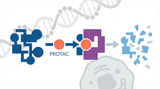
Targeted Protein Degradation: The Next Frontier in Oncology Drug Discovery
For decades, cancer drug development has focused on blocking proteins—inhibiting enzymes, antagonizing receptors, disrupting signaling pathways. Yet this approach leaves a vast landscape of disease-driving proteins untouched, particularly those without enzymatic activity or binding pockets suitable for traditional small molecules. Now, a fundamentally different strategy is reshaping oncology: instead of merely inhibiting proteins, we can eliminate them entirely through targeted protein degradation.
Introduction
The concept of targeted protein degradation (TPD) represents a paradigm shift in how we approach cancer therapy. Rather than occupying a protein's active site to block its function,
…
18th Feb 2026

Neuroinflammation and Compulsive Behavior: The Role of Astrocytes in OCD
Imagine a mind trapped in a loop, endlessly repeating actions or thoughts, driven by an invisible force. For millions worldwide, this is the reality of Obsessive-Compulsive Disorder (OCD). While traditionally viewed through a lens of neuronal dysfunction, emerging research is shining a spotlight on an unexpected player in this complex neurological drama: astrocytes. These star-shaped glial cells, once considered mere support, are now revealing their profound influence on brain inflammation and, consequently, compulsive behaviors.
Introduction
Obsessive-Compulsive Disorder (OCD) is a debilitating neuropsychiatric condition characterized by intrusive, unwanted thoughts (obsessions) and repeti
…
18th Feb 2026